By Mike Ryan
Characteristics
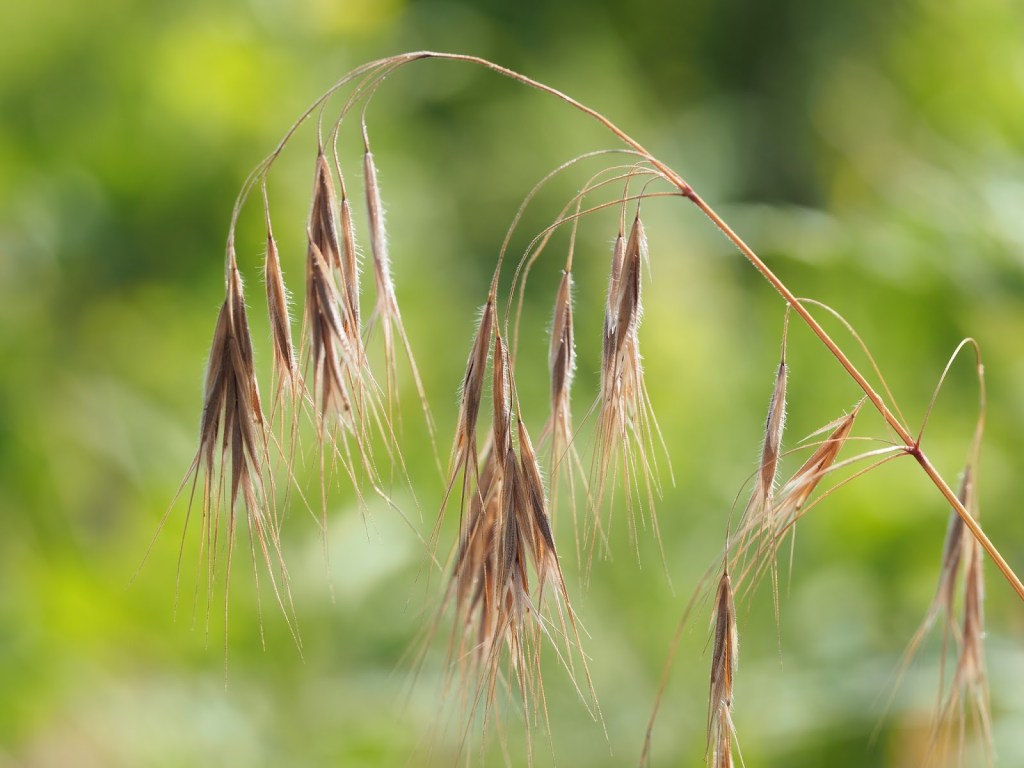
Cheatgrass, also known as Downy Brome, is an aggressive, annual invasive weed, originating from Eurasia. This grass is notorious for its ability to outcompete native plants, easily taking over large areas of land.
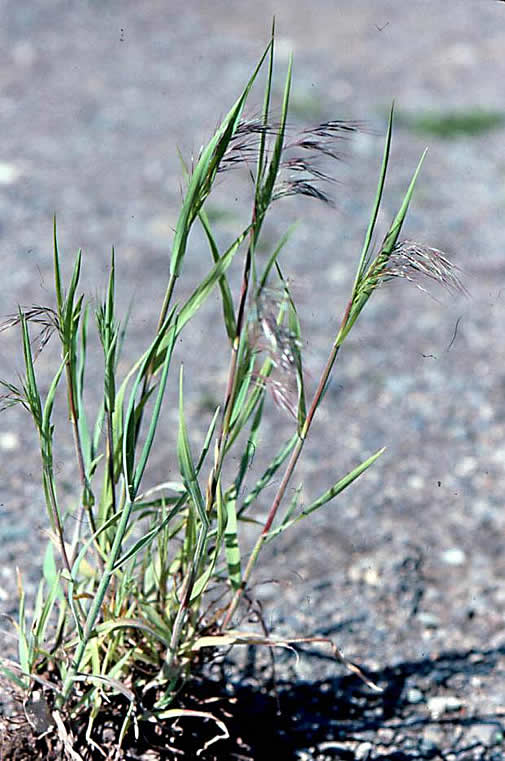
The seed germinates in the fall, overwinters, grows to maturity in spring or early summer, produces abundant seeds, then dies, only to repeat the cycle year after year. Each plant can produce up to 500 seeds! Cheatgrass grows from 3 to 30 inches tall, depending on the height of the surrounding plants. Because it gets an early growing start, it easily outcompetes surrounding vegetation. While deer will eat the plant early on, they avoid it once seed appear. Cheatgrass has no other predators.
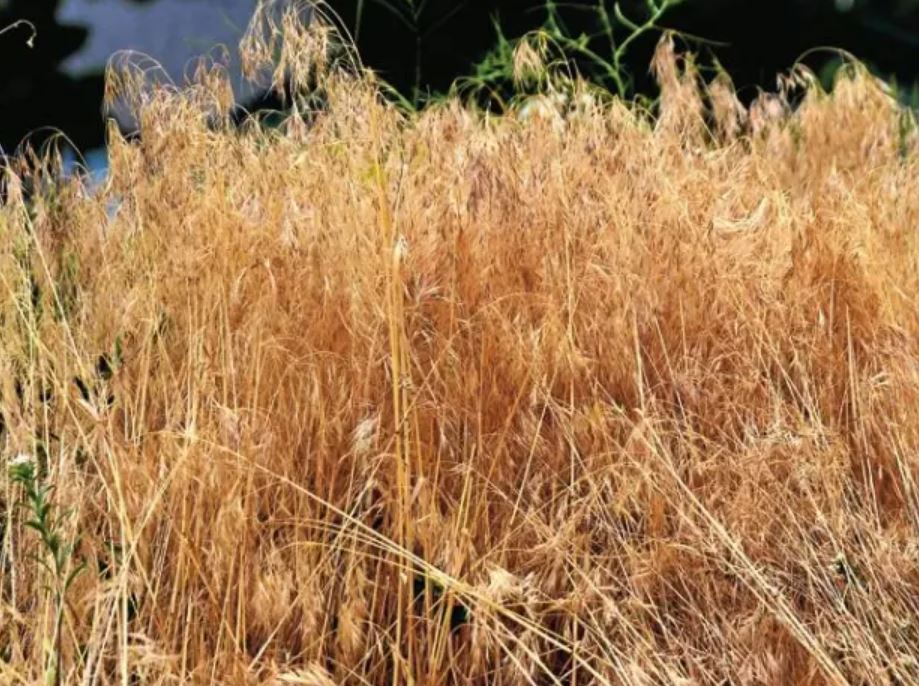
The dead, dry stalks and seeds of cheatgrass are a serious fire hazard because it dries out early in the season, is highly flammable, consequently, increases fire intensity.

Cheatgrass seeds can get stuck in pets’ fur, skin, eyes, nose, ears, or mouth and cause injury, and expensive veterinarian trips.
Control of Cheatgrass
This noxious weed has been a challenge to eradicate, and I have made a lot of errors in trying to defeat this plant.
The weed is an annual, so elimination of the seed is effective. Mowing/bagging has worked well, but only after the plant has dried up and died. Initially, I mowed the seeds of green/living cheatgrass. Each one of those plants produced a second set of seeds, where most seeds grew below the level of my mower!
Now, I mow/bag the areas of infestation once the plants dry up. The residual seed bank has produced new cheatgrass, but each year, there are drastically less, and hopefully, this weed will be completely eradicated soon.
 Homestead Hills Civic Association